What is Laser Tattoo Removal?
Iskenderun Laser Tattoo Removal: Getting a tattoo is generally a simpler and less painful process compared to getting one removed. However, over time, individuals may become bored or regretful of their tattoos. Laser tattoo removal technology comes into play in such situations, effectively eliminating traces of unwanted tattoos.
Q-switched lasers are commonly preferred tools in laser tattoo removal procedures. This specific type of laser can penetrate deep without causing damage to the skin surface, reaching the areas where tattoo ink is located. The Q-switched laser focuses on the tattoo pigment beneath the skin, breaking it into smaller particles. During this process, laser light directly targets the pigment, converting these pigment molecules into energy. As a result, large pigment particles are broken down into smaller, manageable particles through energy.
When the body’s natural defense mechanism kicks in, these small pigment particles are absorbed into the lymphatic system and naturally expelled from the body. This process leads to the fading of the tattoo over time, eventually causing it to disappear.
How Does the Laser Tattoo Removal Process Work?
The laser tattoo removal process targets the tattoo ink beneath the skin. Depending on the creation date, depth of the inks, and the type of metals they contain, it is possible to completely or partially remove tattoos. Removing tattoos with inks containing iron or copper can be more complex. Additionally, amateur tattoos applied to different layers of the skin may require more sessions for complete removal.
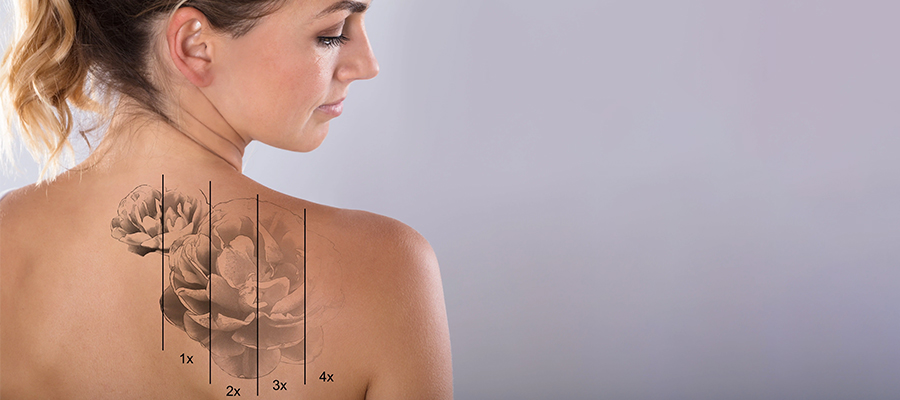
The laser tattoo removal process typically varies between 4 to 10 sessions, with approximately 5 to 8 weeks left between each session. However, in some special cases, this number can exceed 10 sessions. After the laser removal procedure, mild bleeding or crusting may be observed in the treated area. However, with an experienced practitioner and high-quality Q-switched laser equipment, these effects are minimized, and no permanent marks are left on the skin.
Before the application, your health history should be assessed to determine whether you are suitable for laser tattoo removal. Individuals with autoimmune diseases, those prone to keloid scar formation, or diabetes patients may experience difficulties in the healing process. Therefore, evaluating these conditions and taking appropriate precautions before the procedure is essential.
After the procedure, the treated area should not come into contact with water for two days. During this period, recommended creams with antiseptic properties should be used, and the skin should be protected from the sun until it heals. The use of sunscreen supports the healing process and prevents potential color changes in the skin.
Precautions to Take in the Preparation Process for Tattoo Removal
Before undergoing tattoo removal, there are several important precautions to take. These measures ensure that the treatment process proceeds effectively and smoothly:
Sun Protection:
- It is critical for the treatment area not to be exposed to the sun. Therefore, at least two weeks before the treatment, protect the area to be treated from the sun with sunscreen or clothing.
Medication Usage:
- Aspirin and other blood-thinning medications should not be used the day before and on the day of treatment, as these medications can increase bleeding. If you are taking iron supplements, you may need to stop using them a week before the treatment. Consult your doctor to discontinue the use of these medications.
Application of Anesthetic Cream:
- The laser tattoo removal process can be uncomfortable on the skin. Therefore, an anesthetic cream recommended by your doctor can be applied to the treatment area 30-45 minutes before the procedure. Applying the cream will make the area less sensitive. After applying the cream, covering the treatment area with plastic wrap will help the cream stay on the skin and enhance its effectiveness.
Additional Reminders:
- If you have any allergies or serious health problems, inform your doctor before starting the treatment.
- Wear comfortable and light clothing on the day of treatment for easy access to the treatment area.
- Ensure you are well-rested and nourished before going for the treatment.
Precautions to Take After Laser Tattoo Removal
After laser tattoo removal, taking measures to expedite the healing process and prevent possible complications is crucial. Here are the precautions to take:
- Apply ice or a cold compress at regular intervals to soothe the treated area. This reduces swelling and alleviates potential pain.
- If possible, rest with the treated area elevated. This regulates blood flow, minimizing swelling.
- Regularly apply the healing cream or ointment recommended by your doctor to the treated area.
- Avoid sauna, steam room, or hot baths within the first 48 hours.
- If there is peeling or redness on the treated skin, refrain from swimming in pools or the sea until it is resolved.
- If unexpected reactions such as redness, swelling, or throbbing occur after the treatment, consult your doctor immediately.
- In the first few days after the treatment, gently clean the treated area and apply a bandage or dressing to protect it from external factors.
- It is crucial to protect the treated area from the sun. Avoid sunbathing and use sunscreen.
Is It Possible to Remove Permanent Makeup with Tattoo Laser?

 Turkish